Biometric time clocks on sale and in stock
Biometric Time Clocks for Accurate and Efficient Workforce Management
Biometric time clocks eliminate buddy punching, reduce payroll errors, and improve overall workforce accountability by identifying employees through physical characteristics rather than cards or PIN numbers. Whether your operation is an office, warehouse, healthcare facility, or manufacturing plant, selecting the correct biometric platform is critical to long-term reliability. With extensive experience in both hardware and software integration, we help businesses implement systems that match their specific working conditions — not just current trends.
Hand Geometry Readers for Industrial-Grade Reliability
Hand geometry readers, commonly known as HandPunch systems, have delivered dependable biometric identification since the late 1970s. Originally developed by RSI/Schlage Biometric and widely adopted under Ingersoll Rand, this technology measures the three-dimensional structure of the hand rather than surface skin detail. Using pulsing lasers, optical sensors, and calibrated mirrors, the system analyzes finger length, knuckle position, palm thickness, and overall hand contour — generating approximately 18,000 reference points per scan. Because it measures structure instead of skin condition, it performs consistently even when hands are dirty, scratched, greasy, or worn from physical labor. For manufacturing, warehouse, and high-traffic environments, hand geometry remains the most accurate and durable biometric solution available.
Fingerprint and Facial Recognition Systems in Modern Workplaces
Fingerprint readers, sometimes called thumbprint systems, work well in clean environments such as offices, schools, medical facilities, and administrative workplaces. These devices scan ridge patterns and compare a limited number of reference points — typically between 18 and 28. Performance can decline when fingers are callused, dirty, cut, or worn. Many higher-quality units include keypad backup entry to maintain consistency when biometric reads fail. Facial recognition represents a newer generation of biometric identification. Using camera-based mapping and infrared lighting, employees clock in simply by looking at the terminal. Accuracy depends on consistent enrollment and usage conditions. Changes such as glasses, hats, facial expressions, or distance from the camera can affect recognition. While the technology continues to improve rapidly, understanding its operating characteristics is essential before deployment.
Choosing the Right Biometric Platform for Your Operation
Biometric technology must be matched to your work environment, employee behavior, and operational demands. Offices and clean facilities often benefit from fingerprint or facial recognition systems. Industrial, mechanical, and labor-intensive settings typically achieve far greater long-term accuracy with hand geometry readers. Selecting the correct system improves payroll integrity, reduces administrative correction time, and strengthens workforce accountability. With deep product knowledge across biometric platforms, we help businesses implement solutions that deliver reliable performance for years — not just initial novelty. Upgrading to biometric time tracking is not simply a technology decision; it is an operational improvement that protects payroll accuracy and increases daily efficiency across your organization.
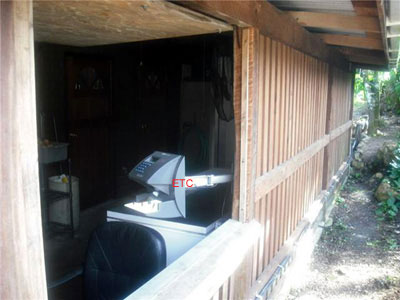
Click on this line to see our newest biometric time clocks